简报·YT
DW 中文 - 德國之聲
已完成
柏林為何突然擋下中資收購?
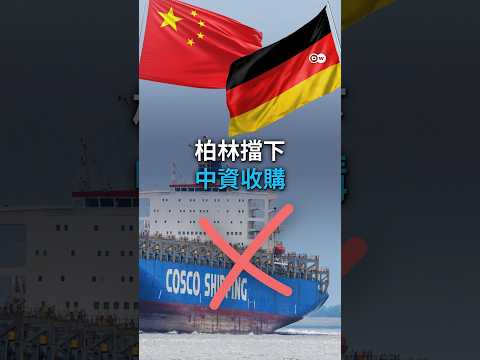
柏林為何突然擋下中資收購?
德国以供应链韧性和关键基础设施安全为由,叫停中远海运收购德国物流企业 Zippel,反映其对华政策进一步转向“去风险”,但如何降低依赖而不引发贸易战仍是难题。
-
**收购为何被叫停:**中国国有航运巨头中远海运(COSCO,文字稿误写为 Costco)计划收购汉堡物流企业 Zippel 80% 的股权。该公司负责将德国主要海港的货物运往内陆,德国经济部认为交易可能危及德国及欧盟供应链的韧性,因此介入阻止。
-
**德国更重视基础设施安全:**柏林正减少对中国国有及受国家支持企业的战略依赖。安全专家警告,依赖中国技术可能使德国在地缘政治危机中面临数字破坏或间谍活动风险;视频也提到,德国因安全顾虑推动在 5G 基础设施中逐步排除 Huawei 和 ZTE。
-
**与此前批准港口投资形成对照:**2023 年,德国上届政府曾批准 COSCO 入股汉堡港一座集装箱码头,尽管执政联盟内部存在强烈分歧,安全部门也曾提出警告。此次否决反映出德国此后加强了对华投资的“去风险”审查。
-
政策收紧也有产业竞争背景:中国在电动汽车、半导体及其他高科技产品领域扩大出口,加剧欧洲制造业压力。据视频引用的行业组织 Eurometal 预测,中国竞争加剧可能导致欧洲制造业在当年剩余时间损失 30 万个岗位;文字稿未明确“当年”对应的年份。
-
中欧贸易失衡持续扩大:视频称,中国对欧盟的贸易顺差达到创纪录的日均约 10 亿欧元。其展示的趋势是,2025 年及其后欧盟自中国进口继续增长,而欧盟对华出口走弱,推动顺差进一步扩大。
-
**欧盟考虑推动供应链多元化:**欧盟委员会正考虑通过新规则,鼓励企业分散关键供应链来源,以应对中国的产业优势。德国面临的核心挑战,是在减少对华依赖、保护产业与基础设施的同时,避免引发贸易战。
▸ 原始转写文字稿(2078 字符)
Germany has blocked the sale of Hamburg logistics company Zippel to China's state-owned shipping giant Costco, as Berlin takes a tougher line on competition with Beijing. Costco is planning to buy an 80% stake in Zippel, which moves cargo from major German seaports to inland destinations. But the Economy Ministry intervened, saying the acquisition would jeopardize the resilience of German and EU supply chains. Berlin is unwinding its strategic dependencies on Chinese state-backed entities to protect its critical infrastructure. Security experts warn that reliance on Chinese tech leaves Germany vulnerable to digital sabotage or espionage by Beijing during a geopolitical crisis. In the early 2020s, Germany phased Chinese operators Huawei and ZTE out of 5G infrastructure over security concerns. Costco already has a minority stake in a Hamburg port-based container terminal after the previous German government gave the go-ahead in 2023, despite strong disagreements within the coalition and warnings from security officials. But since then, Germany has stepped up its de-risking strategy, which has seen a distance itself from Chinese investments. European industries are being hammered as China exports the kind of products that advanced economies once expected to dominate domestically, such as electric vehicles, semiconductors, and other high-tech goods. The industry group Eurometal predicts 300,000 job losses in European manufacturing for the rest of the year because of expanding competition from China, which currently enjoys a record 1 billion euro a day trade surplus with the bloc. And that surplus is widening again. Our graph shows how Chinese imports into the EU rose again through 2025 and into this year, while EU exports to China have weakened. The European Commission is considering measures to counter China's industrial dominance, including new rules to encourage companies to diversify their critical supply chains. Germany has drawn a line trade on Costco. Now comes the harder task, reducing its dependence on China without sparking a trade war.